Furniture with intent —
built to last, not to impress.

Maya Sterling
May 2026 • 12 min read
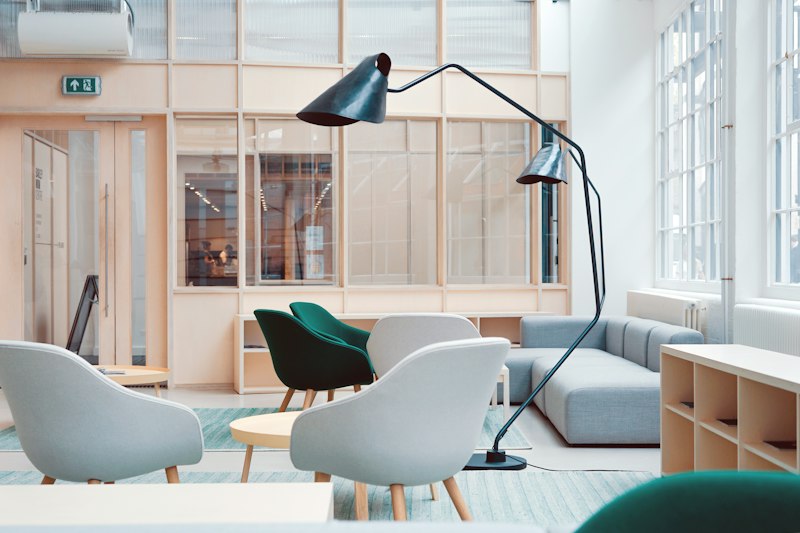
Furniture is more than a place to sit or store things. It is the quiet architecture of daily life. In a minimalist home, it should not shout. It should support.
Sustainability in furniture cannot be reduced to a label or a logo on a website. It requires thinking about origins, materials, repairability, and the lifecycle of each piece.
This essay is an invitation to consider these questions not as marketing slogans, but as real choices that shape how we live, work, and rest.
What “Sustainable” Really Means
When brands use the word sustainable, it often stands for convenience, not truth. A product can be “greenwashed” — dressed in eco-friendly language while hiding cheap materials and planned obsolescence.
Genuine sustainability is about longevity, repairability, transparency, and respect for both people and place.
Three Dimensions of Sustainable Furniture
| Dimension | What It Means | Why It Matters |
|---|---|---|
| Materials | Natural, non-toxic, renewable | Reduces environmental burden |
| Longevity | Built to age well | Fewer replacements over time |
| Repairability | Easy to fix parts | Extends lifespan and reduces waste |
A sofa that lasts twenty years is more sustainable than a “recycled” chair that falls apart in three.
Material Choices That Make a Difference
Materials should tell a story: where they came from, how they were processed, and what they become when their use ends.
Here is a simple way to think about material quality:
- Wood from responsibly managed forests
- Natural fabrics rather than synthetics
- Metal and glass components that can be melted down
- Avoiding plastic-based parts when possible
None of these are absolutes. But when multiple factors align, the piece tends to be less harmful and more enduring.
The Problem With Fast Furniture
Cheap furniture tempts because it is cheap. But that price is paid slowly — in replacements, landfill burden, and the mental cost of owning something that never quite “feels right.”
A sofa that squeaks, cushions that sag, wood that peels — these are symptoms of a design that was never intended to last.
The minimalist home benefits from pieces that age graciously rather than collapse into obsolescence.
How to Evaluate Any Furniture Brand
Not every small maker is sustainable, and not every large brand is wasteful. Intent matters more than size.
Here are questions you can ask before choosing:
- Where is this made?
- What materials are used, and are they disclosed?
- Can this be repaired if something breaks?
- What happens when it can no longer be used?
These are not superficial queries. They change how a piece fits into your life.
Brands That Reflect Enduring Values
This is not a list of endorsements. Instead, think of categories of makers whose practices tend to align with genuine sustainability.
- Local artisans with transparent sourcing
- Workshops that repair or reupholster furniture
- Companies that publish material and factory information
- Vintage pieces restored with care
Buying used furniture — thoughtfully chosen and carefully restored — often outperforms purchasing new pieces labeled “eco-friendly.”
The Role of Vintage and Secondhand Furniture
A well-made chair from decades ago carries a quality that is rare today.
Choosing vintage is not retro for its own sake. It is embracing the fact that furniture was once built with longevity as a default, not an exception.
“Sustainability is never faster. It is always slower, wiser, and respectful of its own history.”
Maintenance Is Part of Sustainability
A piece that can be repaired, re-finished, or re-upholstered stays out of the waste stream.
Caring for furniture is not a chore. It is an ongoing relationship with the things that support your daily life.
Cost, Value, and Time
True sustainability is not cheap. It is wise.
When you buy less and keep it longer, the value compounds.
A quality piece chosen with care costs less over decades than a cheap piece replaced every few years.
A Closing Reflection
Choosing furniture sustainably is not a checklist. It is a conversation with your future self. What feels right today should still feel right tomorrow.
Sit with your choices. Let them settle. And let your home be a place that holds you, not just displays you.