Traveling alone —
without losing your sense of safety.

Maya Sterling
Nov 2026 • 14 min read
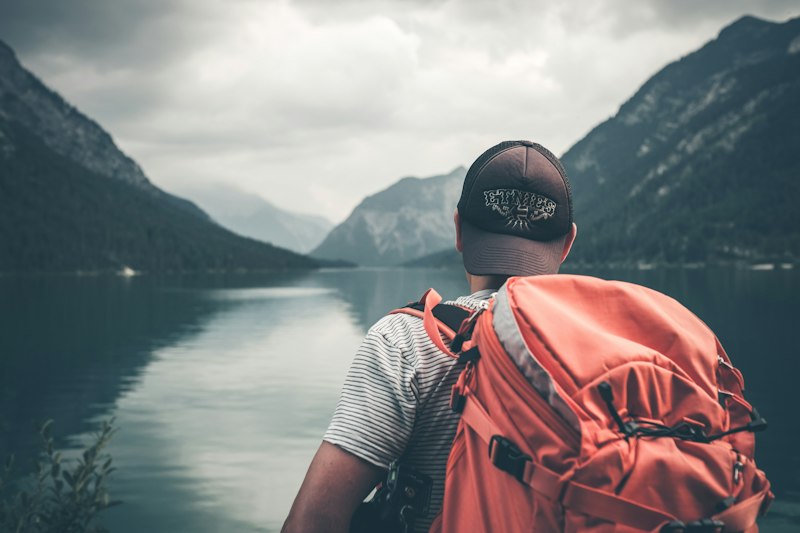
Solo travel for women is often framed as either reckless bravery or fragile vulnerability. Neither tells the truth.
Traveling alone is not about fearlessness. It is about awareness. It is about learning how to move through unfamiliar places with clarity, preparation, and self-trust.
This guide does not promise invincibility. No honest guide should. Instead, it offers something more sustainable: practical strategies that help you reduce risk, read situations clearly, and respond with confidence when the unexpected appears.
Safety Begins Long Before You Leave
Most travel safety is decided at home, not on the road.
Preparation is not paranoia. It is respect for reality.
Researching cultural norms, understanding local transport, and choosing accommodation thoughtfully reduces uncertainty before it becomes stress.
Before Departure: Foundational Steps
- Share your itinerary with someone you trust
- Save local emergency numbers offline
- Understand neighborhood safety patterns
- Check visa and documentation requirements carefully
Knowledge does not eliminate risk, but it replaces panic with options.
Choosing Where You Stay Matters
Accommodation is not just a place to sleep. It is your anchor.
Location often matters more than luxury. Well-lit streets, nearby public transport, and consistent foot traffic contribute quietly to safety.
| Accommodation Type | Benefits | Things to Consider |
|---|---|---|
| Guesthouses | Local insight, quieter atmosphere | Check reviews carefully |
| Hotels | 24/7 staff, security | Location quality varies |
| Hostels | Community, affordability | Choose female dorms if preferred |
Reading Your Surroundings
The most reliable safety tool is not an app or a gadget. It is awareness.
Notice how a place feels — not in a mystical sense, but in observable patterns.
- Are shops open and active?
- Do people linger or pass through?
- Is the area well-lit after dark?
Discomfort does not always signal danger, but it should never be ignored.
Clothing, Culture, and Context
Dressing appropriately is not about hiding yourself. It is about reading the room.
Observing how local women dress offers practical guidance. Blending in reduces unwanted attention and allows you to move more freely.
This is adaptation, not erasure.
Digital Safety on the Road
Physical travel creates digital footprints.
Public Wi-Fi, shared charging stations, and location sharing require intentional boundaries.
- Avoid posting real-time locations publicly
- Use strong device passwords
- Keep digital copies of documents encrypted
Privacy supports physical safety.
Transportation: Moving With Confidence
Transitions are when vulnerability increases. Arrivals, departures, and transfers deserve extra attention.
Trust official transport options when possible. Confirm routes before entering vehicles. Avoid sharing detailed plans with strangers.
Trusting Intuition Without Living in Fear
Intuition is not irrational. It is pattern recognition.
When something feels off, pause. Create distance. Reassess.
Confidence grows through repetition, not recklessness.
“Safety is not the absence of risk, but the presence of awareness.”
When Things Go Wrong
Even with preparation, uncomfortable moments happen.
What matters is response, not self-blame.
- Remove yourself from the situation
- Seek populated or official spaces
- Ask for help clearly and directly
You do not owe politeness at the expense of safety.
The Quiet Strength of Solo Travel
Traveling alone teaches self-reliance without isolating you from humanity.
You learn to ask for help. You learn to say no. You learn to listen to yourself.
A Closing Reflection
Solo travel does not make you fearless. It makes you attentive. The world opens differently when you move through it with care, clarity, and respect for your own limits.
Travel alone if you choose. Travel wisely always.