The quieter India —
beyond the postcards.

Maya Sterling
Aug 2026 • 11 min read
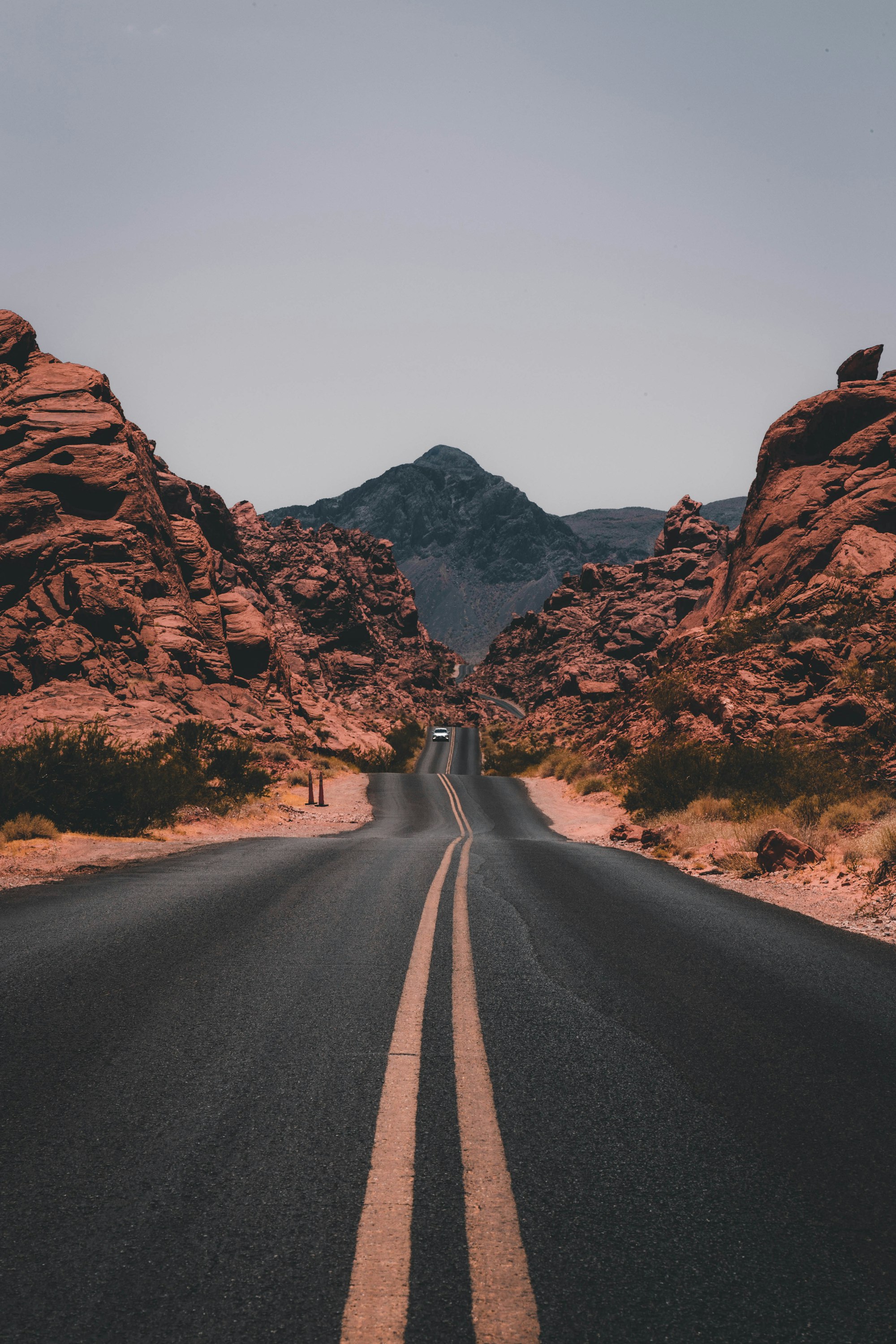
India does not reveal itself quickly. It resists being consumed in highlights, shortcuts, or checklists.
The places that stay with you are rarely the ones printed on brochures. They are quieter. Slower. Often unnamed.
This is not a guide to “must-see attractions.” It is an invitation to notice the India that exists between destinations — where life is not curated for visitors, and time moves on its own terms.
Why the Best Places Are Rarely Famous
Popular destinations are not bad places. They are simply overexposed.
When attention concentrates, rhythms break. Prices rise. Performances replace practices.
The quieter corners of India still function as they always have — villages wake with the sun, temples empty between prayers, streets belong to conversation rather than traffic.
These places do not compete for your attention. They wait for it.
What Makes a Place a “Hidden Gem”
A hidden gem is not undiscovered. It is simply unadvertised.
These places tend to share a few qualities:
- They serve locals first
- They require patience to reach
- They reward stillness over speed
You do not arrive and consume. You arrive and adapt.
Five Regions That Reveal a Different India
1. Tirthan Valley, Himachal Pradesh
Tirthan does not announce itself. There are no souvenir markets. No staged viewpoints.
What exists instead is water, pine forests, and evenings quiet enough to hear cooking from nearby homes.
Days here stretch. Walks replace itineraries. The absence of spectacle becomes the attraction.
2. Majuli, Assam
Majuli lives with impermanence. The river changes its edges every year, and the island responds rather than resists.
Monasteries here are not monuments. They are living spaces — music, prayer, learning, repair.
Visiting Majuli is not sightseeing. It is observing continuity.
3. Chettinad, Tamil Nadu
Chettinad is architectural memory.
Grand homes stand half-empty, not abandoned, but patiently maintained.
Courtyards create natural ventilation. Materials age with dignity. Meals follow ancestral logic.
It is a lesson in sustainability without slogans.
4. Ziro Valley, Arunachal Pradesh
Ziro is gentle.
Rice fields curve instead of dominate. Homes blend into terrain. Community matters more than display.
Even gatherings here feel restrained — celebratory without noise, expressive without excess.
5. Mandawa, Rajasthan (Beyond the Fort)
Step away from the fort and the town reveals itself.
Havelis still open at dawn. Painters restore murals quietly. Children cross courtyards on the way to school.
Rajasthan here feels lived-in, not performed.
How to Travel These Places Respectfully
Quiet places remain quiet because visitors behave differently.
| Do | Avoid |
|---|---|
| Stay longer in one place | Fast hopping |
| Eat locally | Imported menus |
| Observe before photographing | Documenting everything |
Respect here is not formal. It is behavioral.
The Role of Slowness
Hidden places reveal themselves only after repetition.
The second cup of tea. The third walk through the same lane. The fourth conversation with the same shopkeeper.
Slowness allows familiarity. Familiarity allows belonging — even briefly.
“India does not ask to be understood. It asks to be witnessed.”
Why These Places Matter Now
As travel becomes faster, quieter places carry more responsibility.
They remind us that movement does not need spectacle, and meaning does not need amplification.
Visiting them carefully is an act of preservation.
A Closing Thought
The most memorable journeys in India rarely involve monuments. They involve mornings, meals, and moments when nothing was planned — and nothing needed to be.
The quieter India is still there. It simply waits for those willing to slow down enough to notice.