Living with plants —
even when sunlight is limited.

Maya Sterling
Mar 2026 • 11 min read
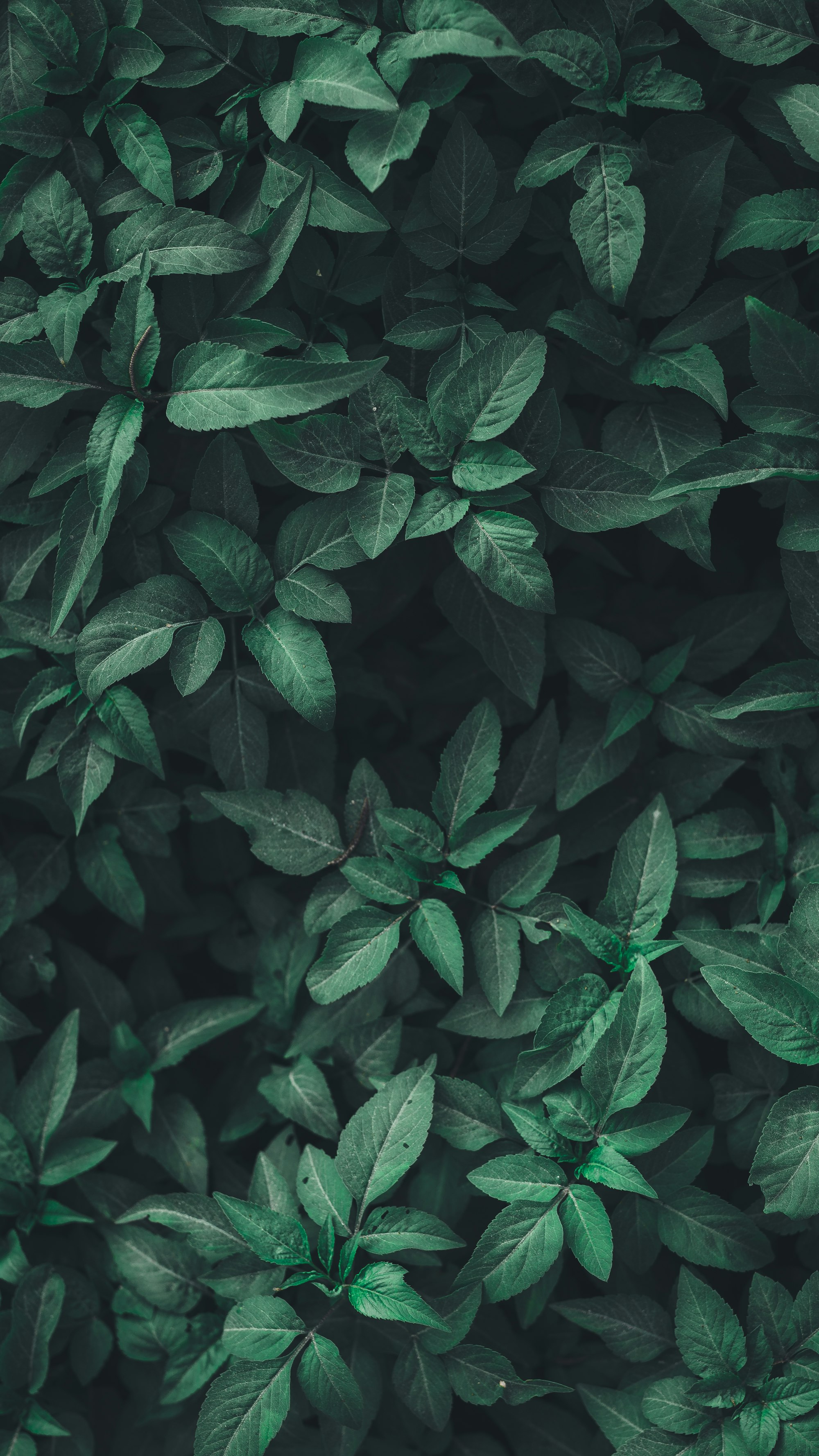
Many homes are described as “dark” when they are simply quiet. Soft corners, shaded windows, north-facing rooms — these spaces are often dismissed as unfriendly to plants.
In reality, low light does not mean lifeless. It simply requires a different relationship with growth.
This guide is not about forcing greenery into unsuitable conditions. It is about choosing plants that understand restraint — species that thrive without spectacle and reward patience over constant adjustment.
What “Low Light” Actually Means
Low light does not mean darkness. It means indirect, consistent illumination — spaces where sunlight is present but never harsh.
Hallways, bathrooms with frosted windows, bedrooms shaded by buildings, and living rooms set back from direct exposure all fall into this category.
Plants adapted to forest floors evolved under similar conditions. They value stability over intensity.
Why Most Indoor Plants Fail
Plants rarely die from lack of care. They suffer from excess.
Overwatering, frequent repositioning, and constant monitoring disrupt the quiet balance most low-light plants prefer.
Care is not attention. Care is consistency.
Plants That Tolerate — and Prefer — Low Light
| Plant | Light Tolerance | Maintenance Level |
|---|---|---|
| Snake Plant | Very low to medium | Minimal |
| ZZ Plant | Low | Minimal |
| Pothos | Low to medium | Low |
| Peace Lily | Low | Moderate |
Placement Over Watering
In low-light homes, placement matters more than routine.
Plants should be positioned where light arrives indirectly and consistently. Moving them frequently in search of “better light” often creates stress rather than improvement.
When in doubt, leave the plant where it appears calm — upright leaves, steady color, slow but visible growth.
Watering: Less Is Almost Always Better
Reduced light means slower photosynthesis. Slower photosynthesis means reduced water consumption.
Many low-light plants prefer dry intervals. Water only when the soil has clearly dried, not according to schedule.
- Use pots with drainage holes
- Empty excess water from trays
- Observe leaves before adjusting habits
The Role of Soil and Containers
Soil composition affects more than nutrition. It controls airflow, moisture retention, and root stability.
Light, well-draining soil reduces the risk of rot in low-energy environments.
Heavy decorative pots without drainage often look good — until they silently suffocate roots.
Growth Will Be Slower — That Is the Point
Low-light plants grow at a measured pace. This is not a flaw.
Slow growth requires fewer interventions, less pruning, and fewer corrections.
It allows the plant to become part of the room rather than a project to manage.
“Not everything in a home needs to accelerate. Some things exist simply to remain.”
Signs of Balance — Not Perfection
A healthy plant does not need to look flawless.
Slight imperfections are normal. Yellowing, drooping, or stalled growth often signal adjustment, not failure.
Respond slowly. Observe longer than you intervene.
A Closing Reflection
Low-light homes are not limitations. They are quieter environments that reward patience and restraint. When you choose plants that match the space, care becomes less about effort and more about coexistence.
Growth does not need to be dramatic to be meaningful.