Living small —
without feeling constrained.

Maya Sterling
Feb 2026 • 12 min read
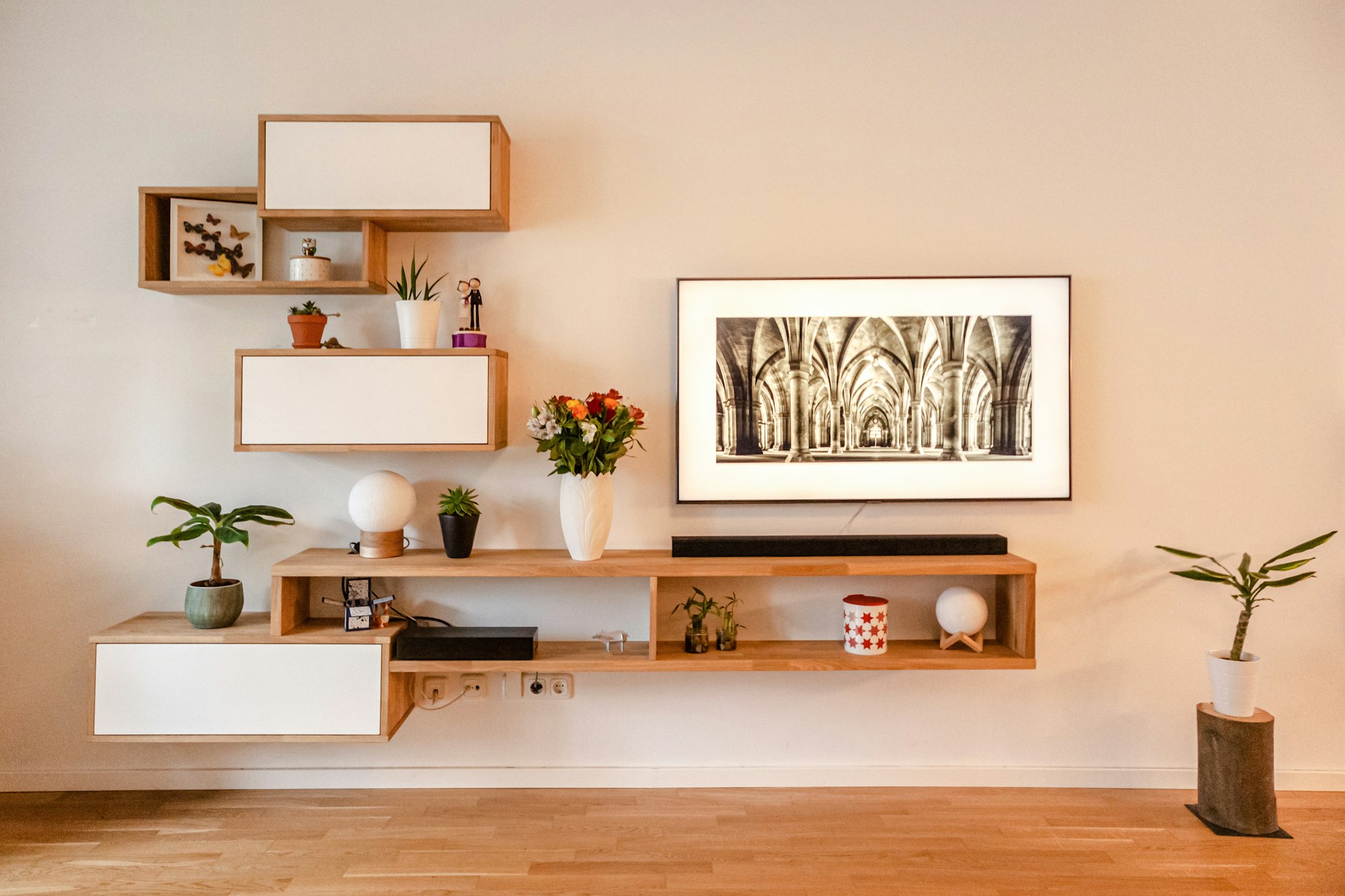
A small apartment does not ask for more furniture. It asks for better decisions.
Most storage problems are not problems of space, but of intention. We try to fit too much life into too little structure, and then blame the walls for closing in.
This essay is not about clever hacks or hidden compartments. It is about designing a home that supports your daily rhythm instead of fighting it.
Start With What You Actually Use
Storage begins with honesty. Before adding shelves, baskets, or organizers, take inventory of how you live.
Which items move daily? Which remain untouched for months? Which exist only out of habit?
A smaller home amplifies clutter, but it also exposes what no longer belongs.
A Simple Sorting Framework
- Daily use: Items that deserve immediate access
- Seasonal use: Items that rotate throughout the year
- Emotional value: Items worth keeping with intention
- Obsolete: Items that quietly drain space
Storage solutions work best when they serve these categories clearly.
Vertical Space Is Underrated
Most apartments expand upward, but we rarely follow.
Walls are not just boundaries. They are opportunities for structure without consuming floor space.
Tall shelving, wall-mounted cabinets, and suspended storage create breathing room where none seemed possible.
Furniture That Works Twice
In small homes, single-purpose furniture is a luxury.
A bench that stores linens, a bed with drawers, or a coffee table that opens quietly doubles your capacity without announcing itself.
| Furniture | Primary Use | Hidden Benefit |
|---|---|---|
| Ottoman | Seating | Internal storage |
| Platform bed | Sleep | Drawer storage |
| Console table | Surface | Office or pantry use |
Storage Should Disappear
The best storage does not announce itself. It blends.
Closed cabinets, neutral tones, and consistent materials allow the eye to rest.
Visual noise is often mistaken for lack of space. Calm surfaces restore proportion.
The Psychology of Clear Floors
When the floor is visible, the room feels larger. This is not illusion. It is orientation.
Floating furniture, wall-mounted desks, and raised storage keep the ground plane open, which reduces mental fatigue.
“Space is not measured in square feet, but in how freely you can move through your day.”
Room-by-Room Priorities
Living Area
Prioritize seating, light, and circulation. Storage should frame the room, not dominate it.
Bedroom
Keep storage low-stress. Closed drawers outperform open shelves here. Rest improves when the eye finds order.
Kitchen
Fewer tools, better placement. Store items near where they are used. Convenience is a form of calm.
When Storage Becomes Too Much
Adding storage can delay necessary decisions.
If a solution creates more complexity, it may be solving the wrong problem.
Sometimes the answer is subtraction.
A Closing Thought
A small apartment is not a compromise. It is an invitation to live deliberately. When storage aligns with how you move, the home begins to feel larger — not because it grew, but because nothing is in the way.
Space is not something you acquire. It is something you protect.