Designing a living room
that doesn’t demand attention.

Maya Sterling
Apr 2026 • 13 min read
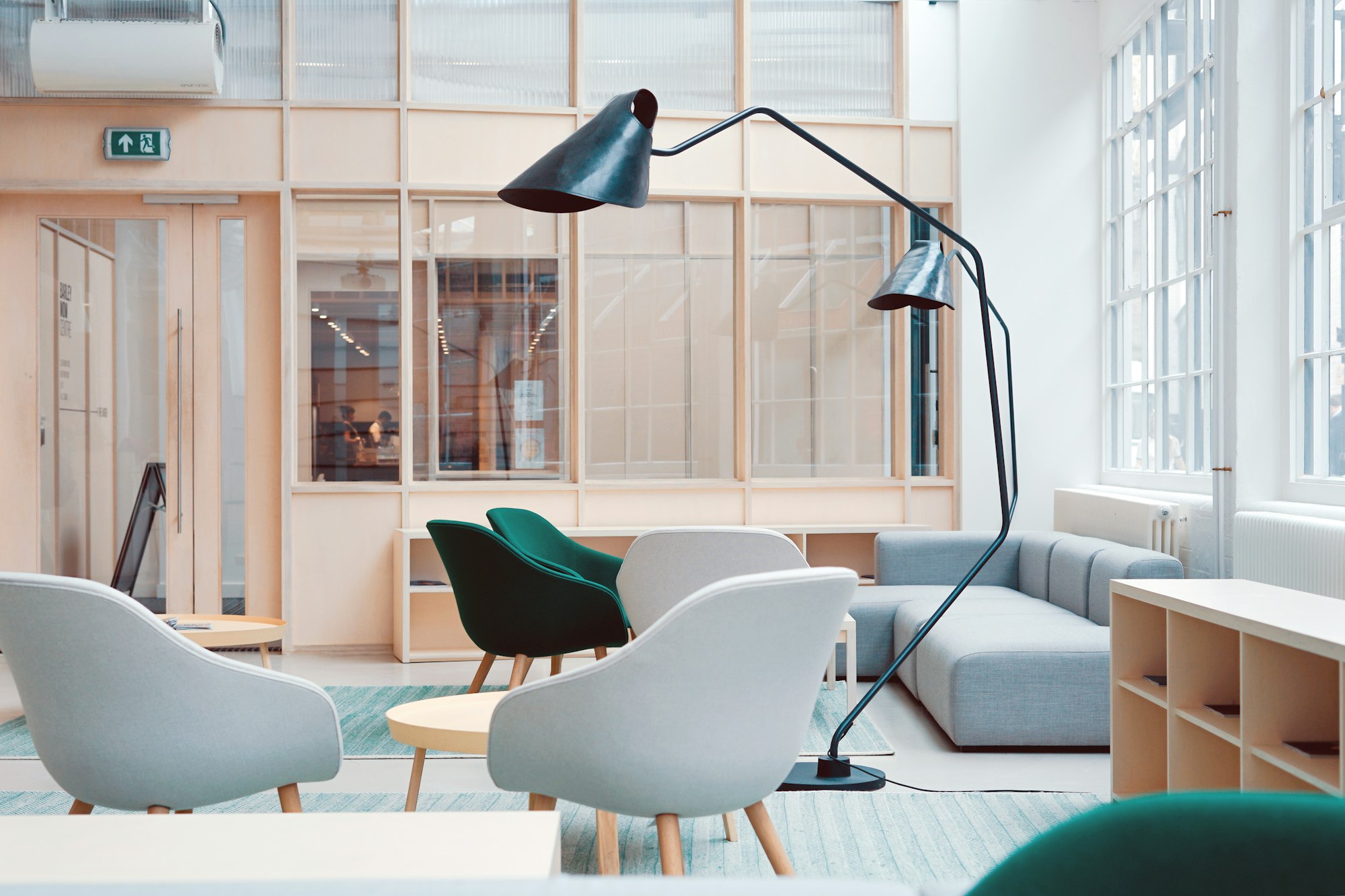
A living room should not perform. It should receive.
In many homes, the living room has become a showroom — curated for visitors rather than lived in by its occupants. Furniture is chosen for impact. Decor is added to fill silence.
Minimalism offers a quieter alternative. Not emptiness, but intention. A space that supports conversation, rest, and presence without asking for admiration.
Minimalism Is a Decision, Not a Look
Modern minimalist living rooms are often reduced to white walls and a single sofa in photographs. In reality, minimalism begins long before aesthetics.
It starts by deciding how the room will be used — not how it will be seen.
Will it host conversation? Quiet reading? Evening rest?
Every design choice should answer those questions.
Space Comes From Restraint
A common mistake is treating minimalism as subtraction alone. Removing items without replacing their function often leads to discomfort.
True restraint keeps what serves the room and removes what competes for attention.
- One primary seating area
- Clear pathways through the room
- Surfaces that remain mostly open
Space is not created by size, but by clarity.
Furniture That Grounds the Room
In a minimalist living room, furniture establishes rhythm.
Low-profile seating, simple silhouettes, and natural materials keep the visual weight balanced.
Each piece should feel anchored — nothing should appear temporary or restless.
| Element | Recommended Approach | Why It Works |
|---|---|---|
| Sofa | Neutral fabric, clean lines | Creates calm visual center |
| Coffee table | Solid wood or stone | Adds weight without clutter |
| Storage | Closed cabinets | Reduces visual noise |
Color Should Support Stillness
Minimalist rooms are often associated with white, but stillness comes from consistency, not brightness.
Warm neutrals, muted earth tones, and soft greys allow light to move gently through the space.
Strong contrast is not forbidden — it simply needs purpose.
Light Is the Quiet Designer
Natural light defines minimalism more than furniture ever will.
Window treatments should soften, not block. Sheer curtains, light-filtering blinds, or uncovered glass allow the room to breathe.
In the evening, layered lighting replaces overhead intensity.
- One ambient light source
- One task light for reading
- One low, warm accent light
Light should guide the room, not dominate it.
“A calm room does not ask to be noticed. It allows you to notice yourself.”
Decor as Pause, Not Statement
In minimal spaces, decor works best when it functions as punctuation.
One artwork. One textured object. One plant placed with intention.
When decor multiplies, meaning dissolves.
What to Leave Empty
Empty space is not unfinished. It is active.
Leaving areas unfilled allows the room to adapt — to guests, seasons, and changing routines.
A living room should evolve quietly.
A Closing Thought
A modern minimalist living room is not about removing life. It is about removing interference. When a space stops asking for attention, it finally gives something back — ease, clarity, and room to exhale.
Design is not decoration. It is permission to rest.