Beginner yoga poses
for flexibility.

Maya Sterling
Feb 2, 2026 • 9 min read
Flexibility is often misunderstood. It is not about touching your toes or forcing your body into shape. It is about learning how to listen.
Most stiffness is not caused by age or lack of effort. It comes from tension held quietly over time — long hours seated, shallow breathing, movement reduced to necessity.
Yoga, when practiced gently, does not ask the body to perform. It invites the body to soften.
Why Flexibility Begins With Patience
Tight muscles are often protective. They guard against instability, stress, or fatigue. Forcing them to open can create resistance instead of release.
True flexibility develops when the nervous system feels safe. Slow movement, steady breath, and consistent practice create that safety.
Yoga works not by pushing limits, but by returning to them gently — again and again.
What Makes Yoga Different From Stretching
Stretching targets muscles. Yoga engages awareness.
Each pose is an opportunity to notice: where effort appears, where breath shortens, where the body resists.
Flexibility improves not through strain, but through attention paired with breath.
Five Beginner Yoga Poses for Flexibility
These poses are intentionally simple. They require no prior experience, no equipment, and no performance mindset.
1. Child’s Pose
A resting posture that gently lengthens the spine and hips. It encourages the breath to move into the back body — an area often neglected.
- Kneel with hips resting toward heels
- Fold forward, forehead resting down
- Arms relaxed or extended gently
- Breathe slowly for one to three minutes
2. Cat–Cow Movement
This slow spinal wave restores mobility and releases tension held through the back and neck.
Move with breath. There is no correct depth — only rhythm.
3. Standing Forward Fold
A foundational pose that lengthens the hamstrings and decompresses the spine.
Bend the knees generously. Let the head hang. Gravity does the work.
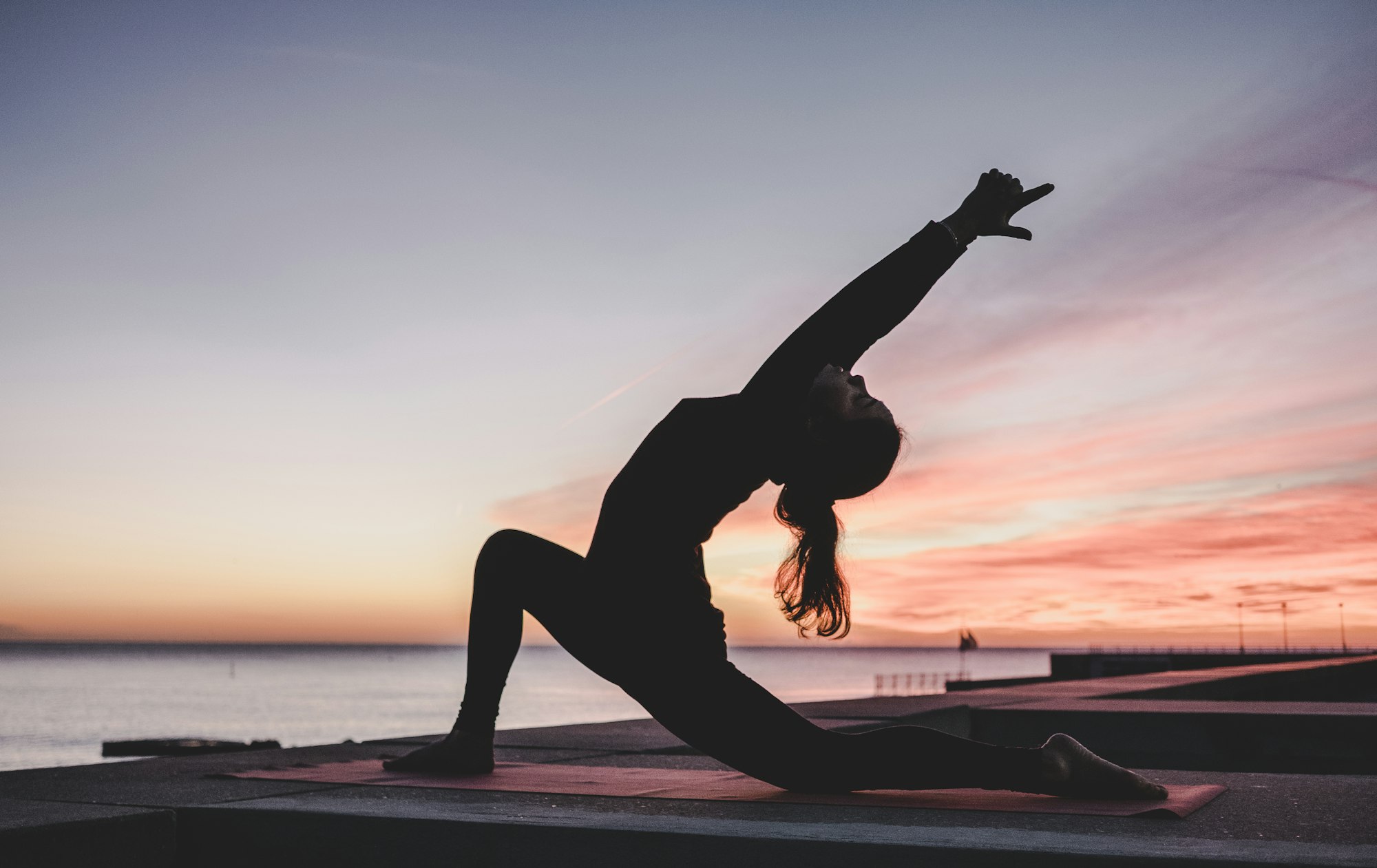
4. Low Lunge
Many people carry stiffness in the hips from sitting. This pose gently opens the front of the body while strengthening stability.
Keep the movement slow. Support the hands as needed.
5. Seated Forward Fold
This posture encourages surrender. The emphasis is not how far you fold, but how evenly you breathe.
Lengthen the spine first. Fold second.
How Long Should a Beginner Practice?
| Practice Length | Focus | Best Time |
|---|---|---|
| 5–10 minutes | Daily mobility | Morning or evening |
| 15–20 minutes | Gentle flow | After work |
| 30 minutes | Full-body awareness | Weekend practice |
Common Mistakes Beginners Make
Flexibility improves slowly. When rushed, the body tightens in response.
- Holding the breath to go deeper
- Comparing flexibility to others
- Skipping rest poses
- Practicing only when motivated
Consistency matters more than intensity.
“The body opens when it feels respected, not when it is pushed.”
When Flexibility Begins to Change
Progress appears quietly. Movements feel smoother. Transitions feel easier. Posture softens.
Flexibility is not only physical. The breath deepens. The nervous system steadies.
Over time, this gentleness carries into daily life.
A Gentle Reminder
Yoga is not a test. It is a conversation — one you return to with patience.
Beginner yoga does not prepare the body for performance. It prepares it for ease.