Holistic nutrition
for steady energy.

Maya Sterling
Feb 6, 2026 • 10 min read
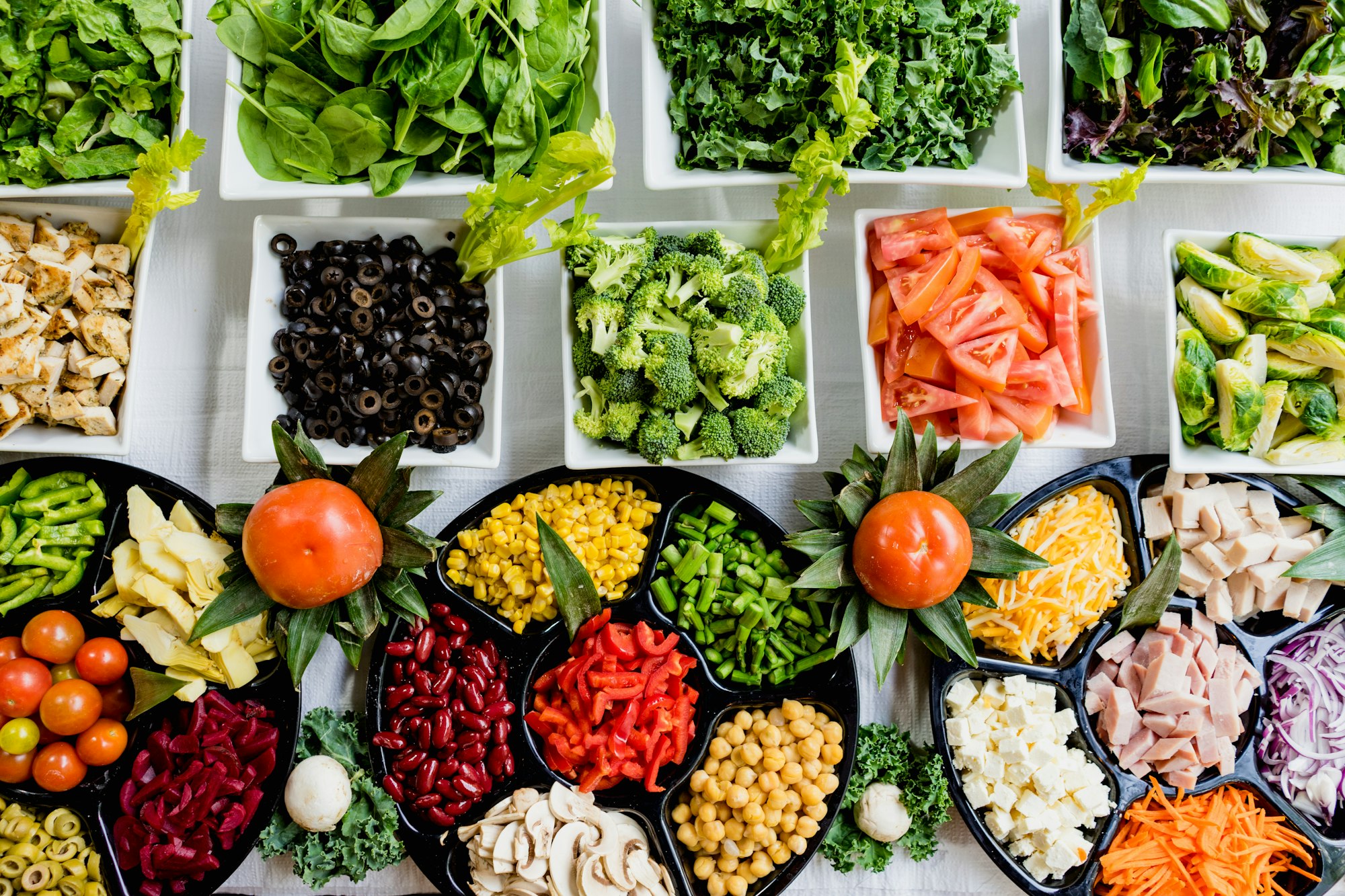
Most people don’t suffer from a lack of energy. They suffer from unstable energy.
The cycle is familiar. A strong start. A sharp drop. A craving for stimulation — caffeine, sugar, urgency.
Food is often blamed, but rarely understood. Nutrition is treated as fuel alone, stripped of context, rhythm, and feeling.
Holistic nutrition begins with a quieter question: not “What should I eat?” but “How does my body respond?”
Why Energy Has Little to Do With Calories
Energy is not created by volume. It is created by balance.
Large meals can drain energy. Small meals can do the same. The issue is rarely quantity — it is timing, composition, and nervous system load.
When digestion is stressed, the body redirects resources inward. Mental clarity fades. Movement feels heavy.
Steady energy comes from meals that support, rather than challenge, the system.
The Principle of Slow Energy
Fast energy spikes attention. Slow energy sustains it.
Highly processed foods digest quickly, releasing energy in bursts. What follows is often fatigue, irritability, or hunger disguised as restlessness.
Whole foods digest gradually. They release energy in waves — steady, reliable, quiet.
“The body prefers consistency over intensity.”
Five Foundations of Holistic Nutrition
These are not rules. They are anchors — principles that adapt to culture, budget, and taste.
1. Eat to Stabilize, Not Stimulate
Meals built around refined sugars and empty starches demand stimulation to maintain momentum.
Stabilizing meals include:
- A source of protein
- A source of healthy fat
- Fiber from plants or grains
This combination slows digestion and smooths energy output.
2. Respect the Digestive Clock
The body digests best during daylight hours. Heavy meals late at night often steal energy from the next day.
A lighter dinner is not deprivation — it is preparation.
3. Hydration Is Foundational
Fatigue is frequently misread as hunger. Mild dehydration dulls concentration and increases cravings.
Begin the day with water. Continue gently.
Energy improves when the body is not negotiating scarcity.
4. Eat Without Distraction
Eating while working teaches the body that nourishment is secondary.
When meals are rushed, digestion weakens — regardless of food quality.
Even five quiet minutes matters.
5. Observe, Don’t Judge
Holistic nutrition requires feedback.
Notice: how energy feels after meals, when cravings appear, how mood shifts.
Patterns reveal themselves without force.
Energy-Supportive Foods (Not a Diet)
| Category | Examples | Why They Help |
|---|---|---|
| Proteins | Lentils, eggs, yogurt | Stabilize blood sugar |
| Fats | Olive oil, nuts, seeds | Slow digestion |
| Carbohydrates | Rice, oats, vegetables | Sustained fuel |
Caffeine and the Illusion of Energy
Caffeine does not create energy. It borrows it.
Used intentionally, it can sharpen focus. Used reactively, it deepens fatigue cycles.
Pair caffeine with food. Delay it in the morning. Notice its effect rather than relying on habit.
When Eating Well Still Feels Hard
Energy is influenced by sleep, stress, and movement. Nutrition cannot compensate for exhaustion.
Holistic nourishment is collaborative — food supports the system, not replaces rest.
A Quiet Reminder
Eating for energy is not about control. It is about listening long enough for the body to speak clearly.
When food becomes steady, energy follows — not as a spike, but as a presence.